
Best Timing for Wood Rot Repairs
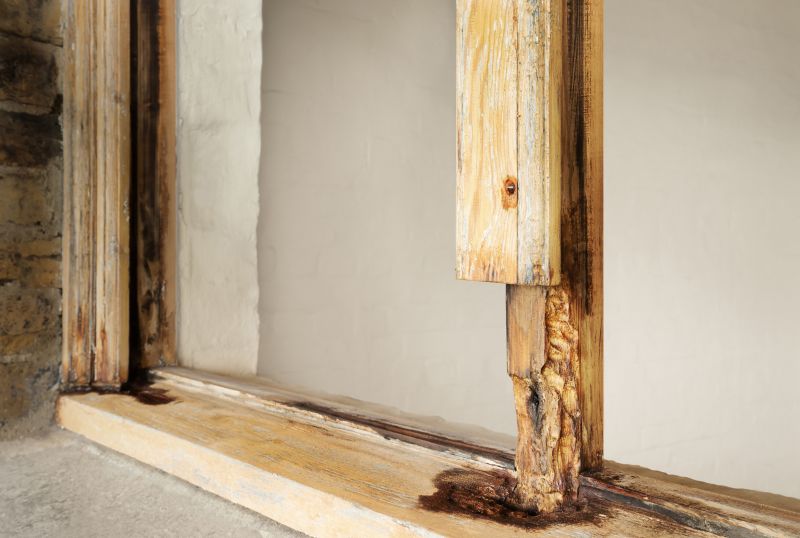
Spring offers optimal conditions for repairs due to moderate temperatures and lower humidity levels.
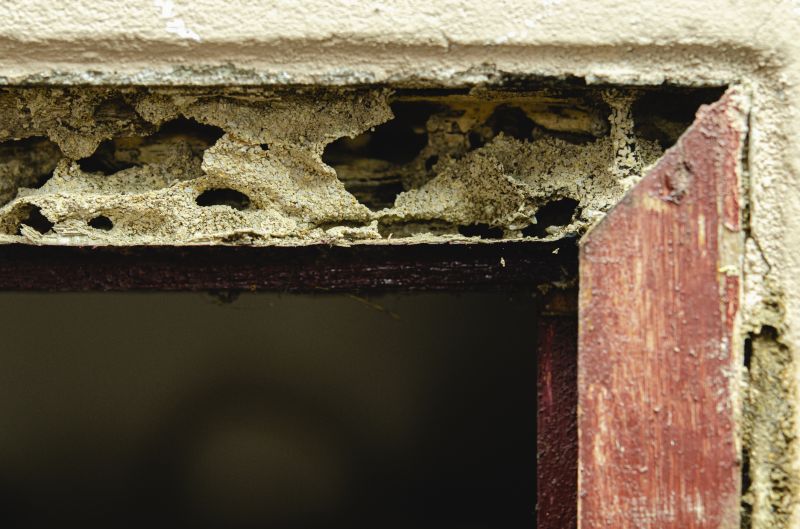
Summer may be suitable when humidity is controlled, but high temperatures can affect curing times.
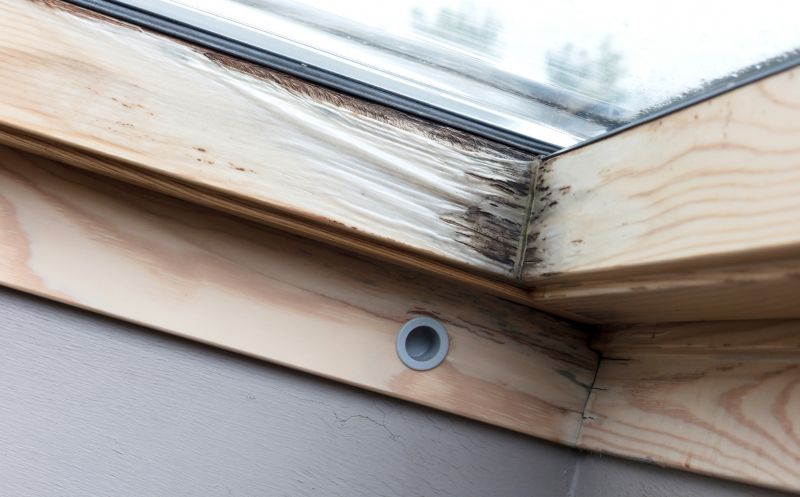
Fall and winter are less ideal due to increased moisture and colder temperatures, which can hinder effective repairs.
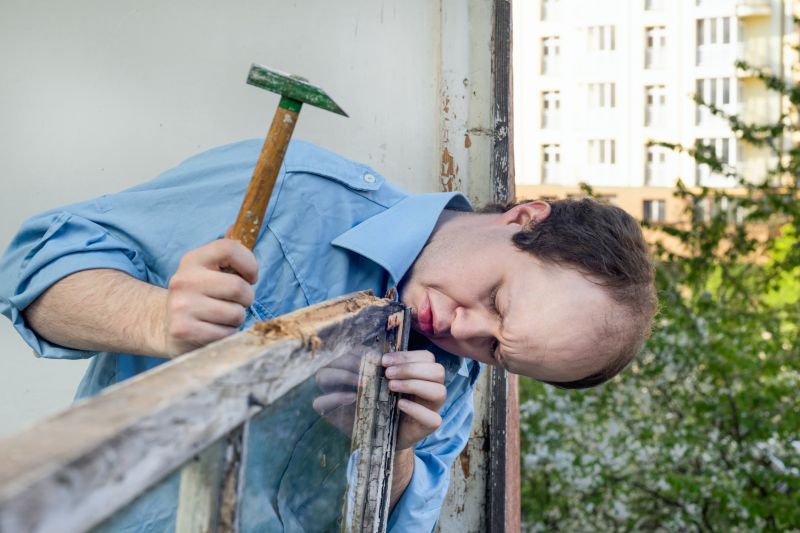
Ways to make Wood Rot Repairs work in tight or awkward layouts.
Popular materials for Wood Rot Repairs and why they hold up over time.
Simple add-ons that improve Wood Rot Repairs without blowing the budget.
High-end options that actually feel worth it for Wood Rot Repairs.
Finishes and colors that play nicely with Wood Rot Repairs.
Wood rot repairs are essential for maintaining the structural integrity and appearance of wooden structures. Timely intervention prevents further decay, which can lead to costly replacements. The best time to perform these repairs depends on climate conditions, with dry and moderate temperatures favoring optimal results. Properly scheduled repairs ensure the longevity of wood components and reduce the risk of additional damage caused by moisture intrusion.
Statistics indicate that performing wood rot repairs during favorable weather conditions can extend the lifespan of wooden structures by several years. Moisture control is critical, as wood rot is primarily caused by prolonged exposure to dampness. Seasonal considerations, such as avoiding winter when moisture levels are high, can improve repair effectiveness and durability.
Look for soft, spongy wood, discoloration, and visible mold or fungus growth.
Excess moisture, poor drainage, and inadequate ventilation contribute to wood rot.
Involves removing affected wood, treating remaining material, and replacing damaged sections.
Regular inspections, proper sealing, and moisture barriers help prevent future rot.
| Season | Ideal Conditions for Wood Rot Repairs |
|---|---|
| Spring | Moderate temperatures and lower humidity |
| Summer | Warm with controlled humidity |
| Fall | Dry weather with decreasing moisture levels |
| Winter | High moisture and cold temperatures |
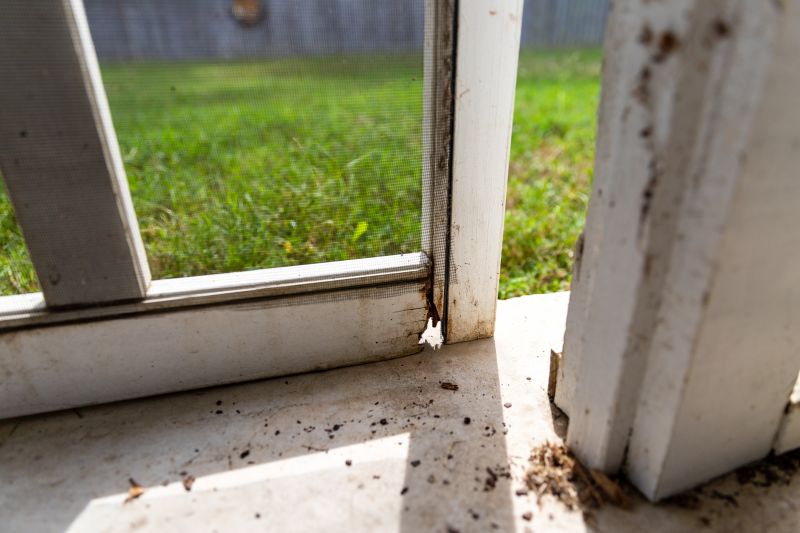
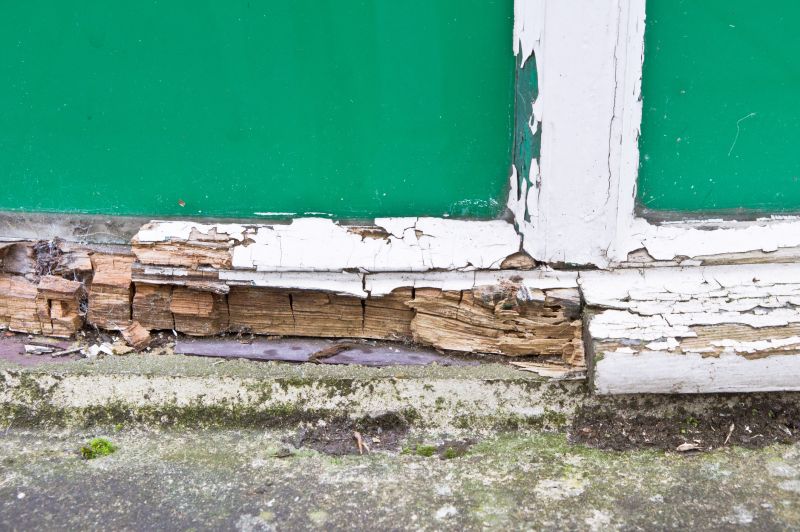
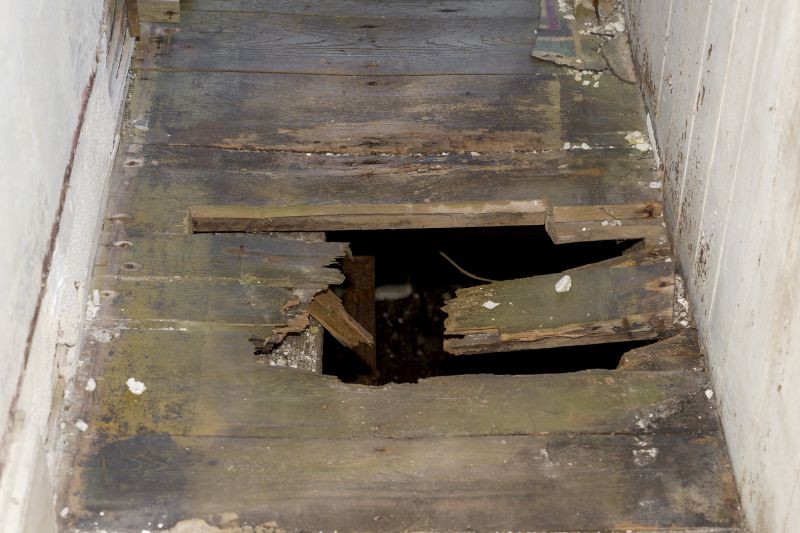
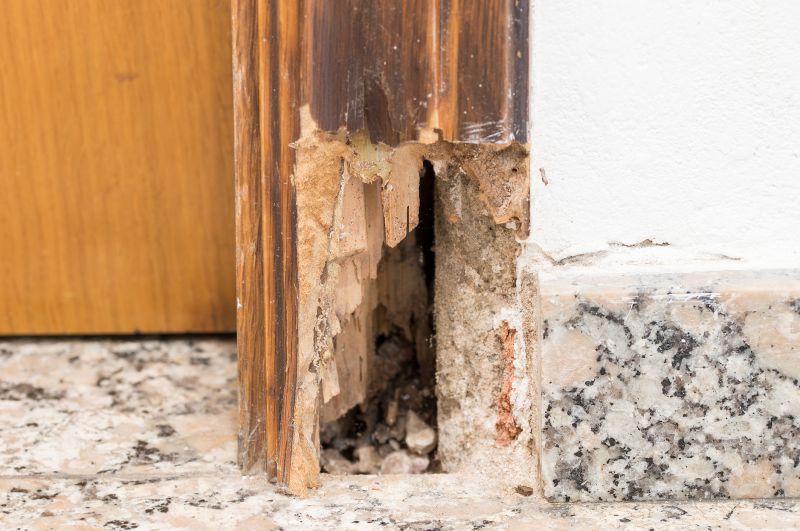
Close-up of decayed wood showing soft, discolored areas.
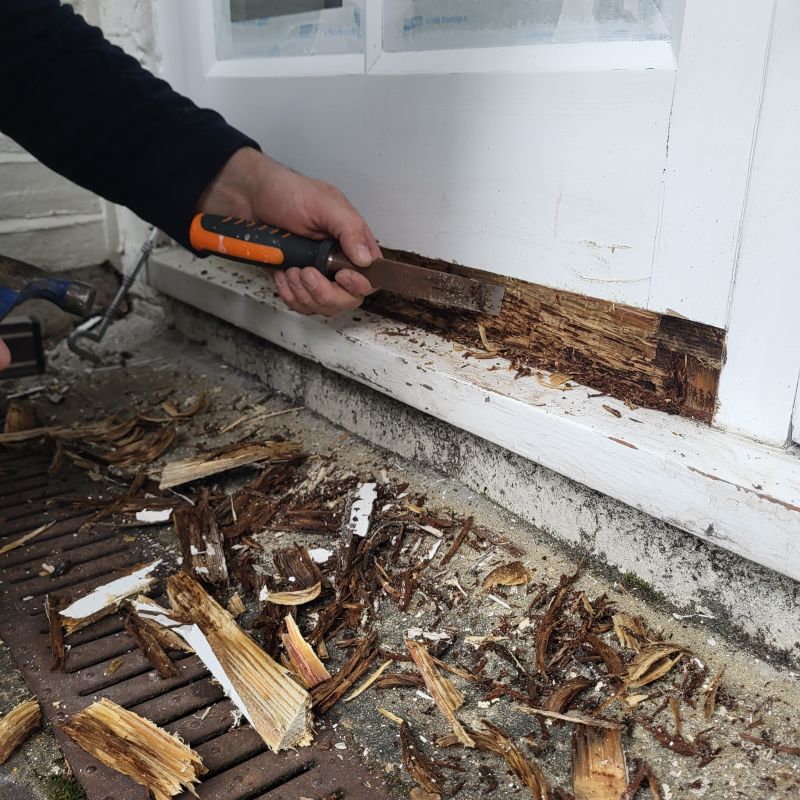
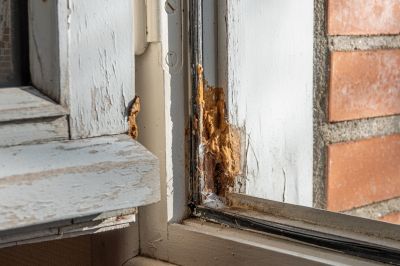
Removing rotted wood and preparing for replacement.
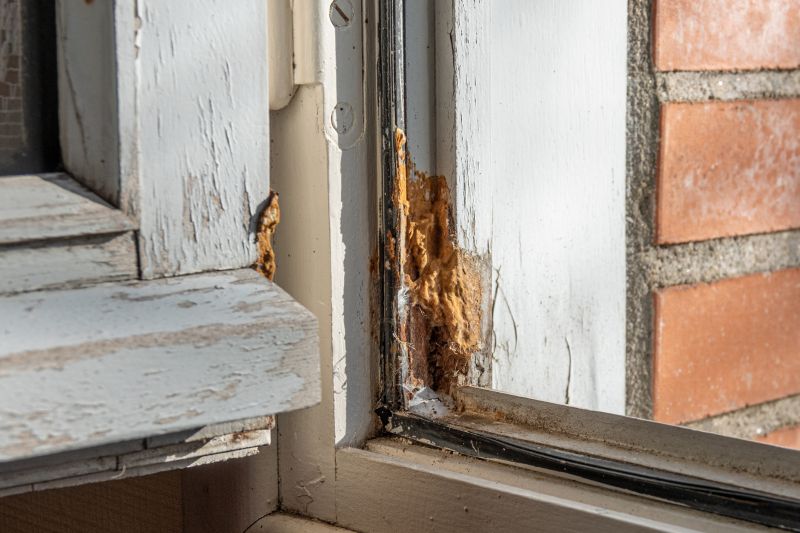
Repaired wood with proper sealing and treatment.
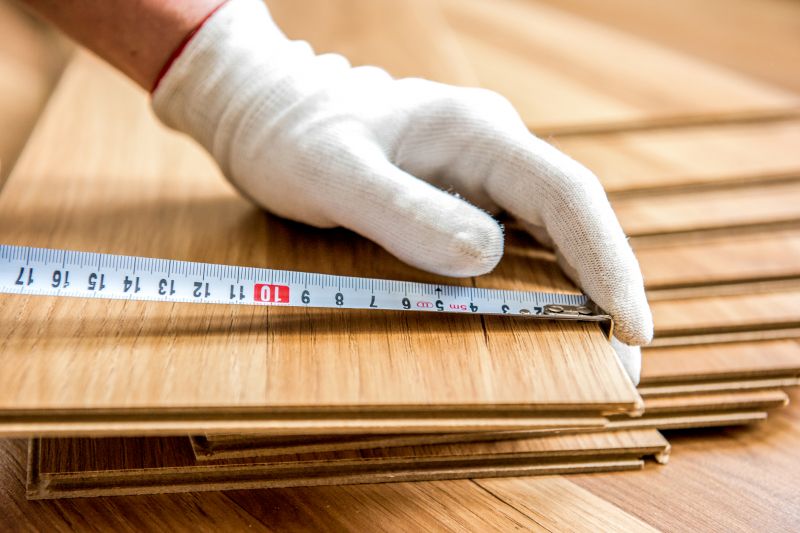
Applying protective coatings to prevent future rot.
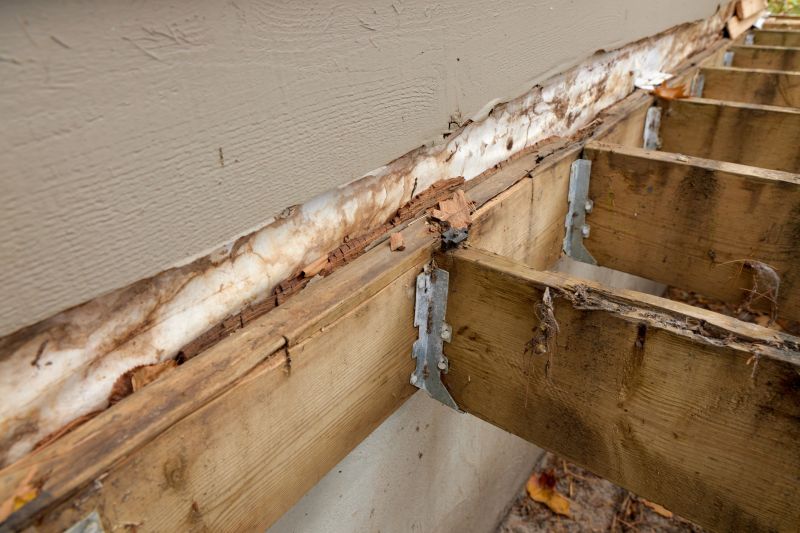
A 60-second routine that keeps Wood Rot Repairs looking new.
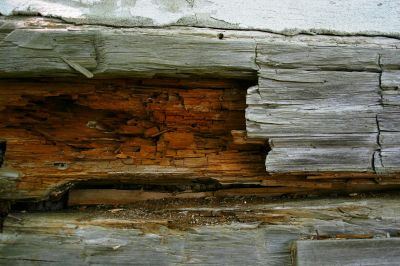
A frequent mistake in Wood Rot Repairs and how to dodge it.
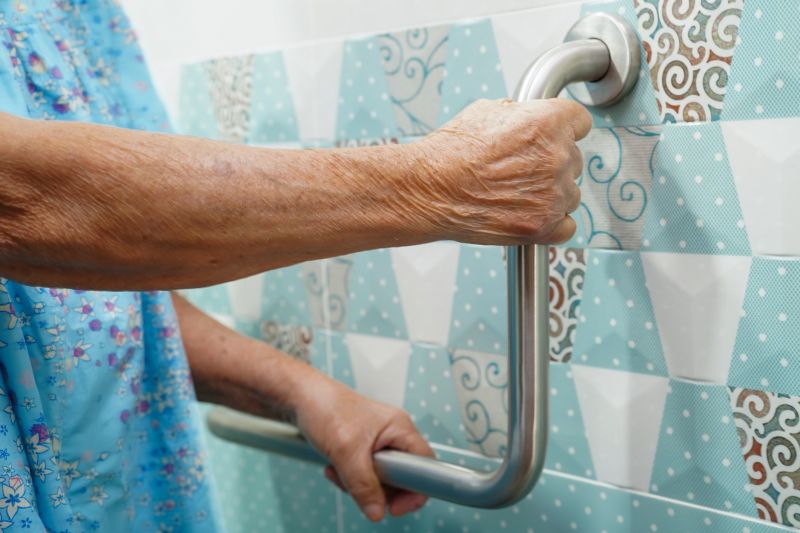
Small tweaks to make Wood Rot Repairs safer and easier to use.
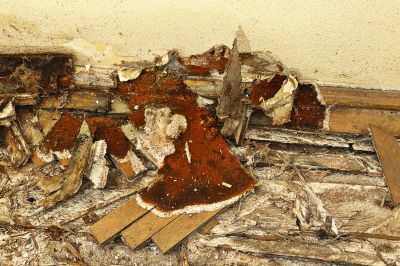
Lower-waste or water-saving choices for Wood Rot Repairs.
Timely wood rot repairs are crucial for preserving the safety and appearance of wooden structures. Regular inspections, especially during seasons prone to moisture, help identify issues early. Proper repair techniques and preventative measures can significantly extend the life of wood components, reducing the need for extensive future repairs.
Interested in scheduling wood rot repairs? Filling out the contact form can provide more information and assistance tailored to specific needs. Addressing wood rot promptly ensures structural stability and preserves the value of property.